

In recent years, veganism has become a lifestyle that more and more people are adopting. Some do it for their health, others for animal welfare reasons or out of concern for our planet. But from the outside, many wonder: How do vegans actually live? What do they eat? What does their daily life look like? Let's take a look inside the life of a vegan.
1. What do vegans eat?
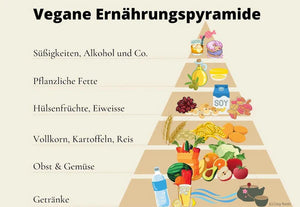
Vegans abstain from all animal products—meaning no meat, no milk, no eggs, no honey. But that doesn't mean they live only on lettuce and carrots. Quite the opposite—plant-based cuisine is creative, diverse, and anything but boring:
-
Plant-based milk alternatives : almond milk, oat milk, soy milk, coconut milk…
-
Protein sources : chickpeas, lentils, tofu, tempeh, seitan and all kinds of legumes.
-
Sweets : Cakes and cookies with plant-based milk, date-based snacks, vegan chocolate.
-
Substitute products : Vegan burgers, plant-based cheese, vegan sausage or even plant-based kebab!
2. Shopping habits
Vegans are true label experts. They ensure that not only their food, but also cosmetics, cleaning products, and clothing contain no animal-derived ingredients and have not been tested on animals. Terms like "cruelty-free" or "vegan-certified" are crucial for them.
Shopping often takes place in organic or packaging-free stores, but regular supermarkets now also offer a wide selection of vegan products. Apps and websites help identify hidden animal ingredients in products.
3. Going out to eat – is that even possible?
Of course! Veganism is now a global trend, and the restaurant industry is following suit. Many restaurants offer vegan options, and there are a growing number of entirely vegan cafes and restaurants. Even in traditional restaurants, you can often find a plant-based meal—or creatively combine side dishes. Communication is key here: A friendly chat with the kitchen staff often works wonders.
4. Social life – difficult or doable?
One of the biggest challenges for vegans is sometimes the social environment. Family dinners, barbecues, or restaurant visits can be a test of patience. But over time, you learn how to deal with it:
-
Communicate openly why you live vegan.
-
Bring your own dishes or cook plant-based meals together.
-
Meet new people in vegan communities or events.
Many vegans report that their lifestyle has helped them make new friends and become more aware of nutrition and the environment.
5. Why all this?
Every vegan has their own motivation, but the three most common reasons are:
-
Animal welfare : No animal should have to suffer or die for its own enjoyment.
-
Environmental protection : Livestock farming is one of the biggest causes of greenhouse gases, deforestation and water consumption.
-
Health : A well-planned vegan diet can reduce the risk of heart disease, diabetes and certain cancers.
Conclusion: Living vegan means living more consciously
Veganism isn't a sacrifice, but a choice for a different way of life—one that's more conscious, sustainable, and empathetic. It's easier than ever to live vegan, thanks to the growing number of products, recipes, and support services available. Whether for a day, a month, or for life—a look into the plant-based world is definitely worthwhile.