

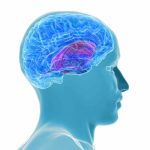
Some studies have shown that sugar can be just as addictive as drugs like cocaine and heroin. The relationship between sugar and dopamine—the brain chemical responsible for "satisfaction and reward"—is what makes sugar so addictive. In fact, some studies show that lab mice even prefer sugar to a morphine injection. But the situation is even more dangerous for humans. Humans have much more complex causal reasoning than lab mice, which further influences their decisions. The brain's response to sugar is the same as it is to pleasurable drugs.
Studies with former alcoholics have shown that the craving for sugar increases significantly when the body is deprived of the addictive substance.
From an evolutionary perspective, sugary foods were a valuable source of energy for our hunter-gatherer ancestors. Therefore, sweet foods became particularly satisfying for humans. Bitter or sour foods, on the other hand, were often raw, toxic, or spoiled, leading to disease. For this reason, humans viewed sweet foods as a very useful source of energy—an opportunity to increase their chances of survival.
How does sugar affect the brain?
When we consume sugary foods, the brain's reward system—the mesolimbic dopamine system—is activated. The hormone dopamine is released by neurons in the brain after positive experiences. When the reward system is activated, the behaviors that led to its activation are reinforced—in this case, the craving for sugar increases.
But the effects don't stop there: The reward hormone not only promotes the desire for more sugar, but also encourages learning to find sugar more quickly. Today, our environment is full of sugar- and energy-rich foods. Since these special foods are available everywhere, we don't even have to search for them anymore. However, our brain still functions similarly to that of our ancestors—and it loves sugar.
The brain is constantly remodeling and restructuring itself through the process of neuroplasticity. This restructuring can also occur within the reward system. When the reward pathway is repeatedly activated through frequent consumption of high-sugar foods, it leads to frequent stimulation of the brain—which in turn can lead to a type of tolerance. When we eat sweets, the same feeling of reward is triggered—making us want even more sweets. This is a central feature of addiction. Regardless of whether the body needs energy or not, many people experience the urge to eat. This urge is particularly pronounced in times of stress, when hungry, or when seeing cake in a café.
Another effect of a high-sugar diet is seen in the hippocampus—the brain's memory center. Studies show that laboratory mice that consume sugar have a harder time remembering previously seen objects or places. Sugar-induced changes in the hippocampus lead to both reduced formation of new neurons and the release of chemicals that can cause inflammation. Neurons that are crucial for remembering the past are particularly affected.